

Satta Matka Fastest Result Today? India's Hard-Length Choke Won Auckland

Published 2026-11-07 · By Aditi Shetty (Live Match Metrics Lead · New Delhi Desk)
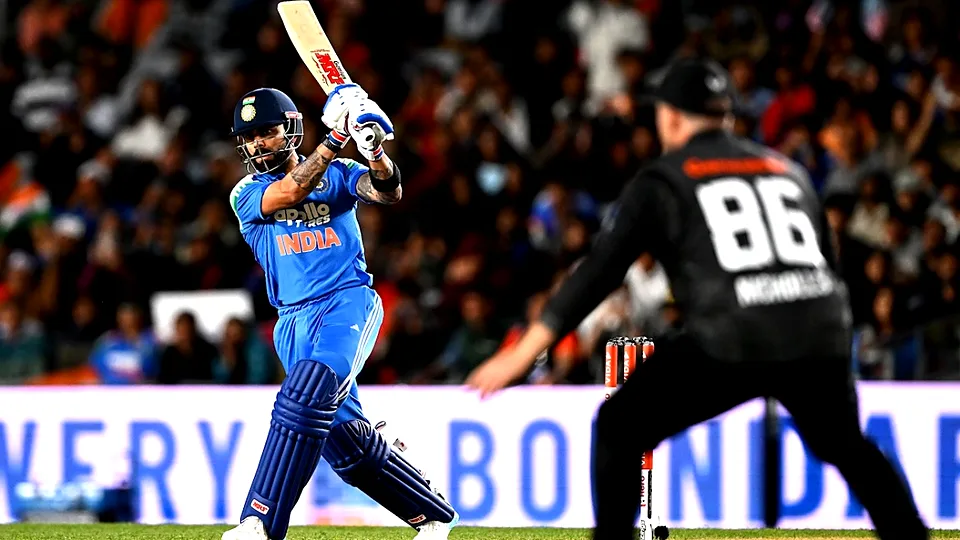
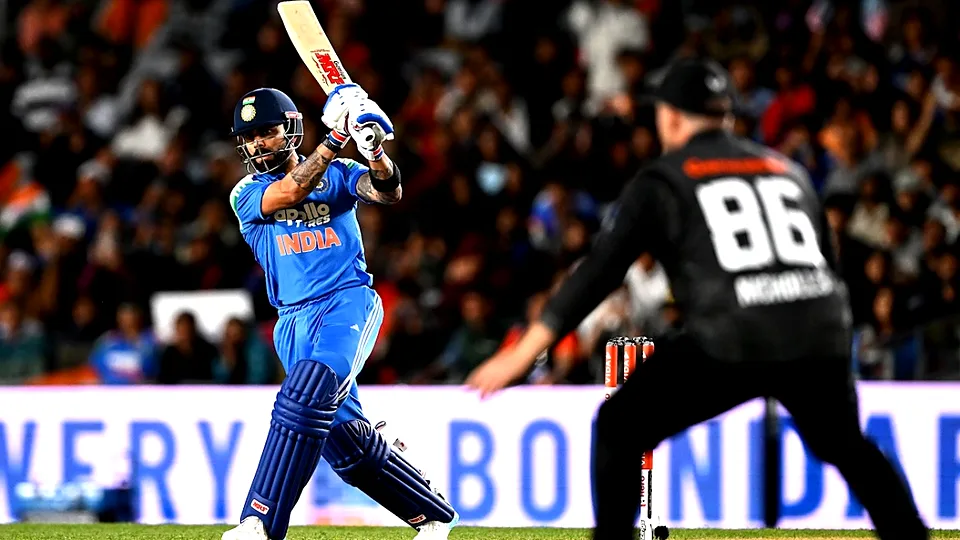
Eden Park’s big screen will remember Virat Kohli’s unbeaten 54. The phase sheet remembers something less glamorous: New Zealand scored 37 for 3 between overs 7 and 12, and 19 of those 36 balls produced no boundary. That is a chokehold. The new ball did the talking. Then the old ball kept arguing.
India’s seamers did not just pitch it up and wait for the editor’s favourite word, “swing”. They hammered a skiddy hard length into a red-soil surface that rewarded bounce more than movement. Arshdeep Singh went cross-seam. Bumrah kissed the top of off. Hardik Pandya bowled into the pitch, not full enough for the drive, not short enough for the pull. The result was a stream of dot balls that felt like a slow puncture.
The Hard-Length Trap Nobody Wanted to Bowl
Conventional commentary loves the new-ball spell. Fine. The first six overs mattered: New Zealand 38 for 2, with Finn Allen’s 14-ball 19 ending in the fourth over to a back-of-length ball that climbed. But the match turned in the middle, where India’s pacers kept hitting the same square on the pitch. Entry point No. 1: Daryl Mitchell walked in at 42 for 2 in the seventh over and faced 11 balls before his first boundary. Entry point No. 2: Glenn Phillips arrived at 61 for 3 in the 11th and was met by a slip, short cover and a hard-length cutter. That is captaincy with a calculator, not a cliché.
Matchup split worth pinning on the wall: against India’s seamers in overs 7–15, New Zealand’s boundary percentage was 9.8. Against spin in the same block, it was 13.1. Here the hard length did the choking, and the spinners cashed the tax. Kuldeep Yadav’s 2 for 24 doesn’t shout. His 14 dot balls in overs 8–14 do.
Why the Middle-Overs Choke Keep Happening
The satta matka fastest result today reflex is to look at the last over. Wrong. The game was already decided when New Zealand went 19 balls without a boundary between the 7th and 10th overs. That phase forced Rachin Ravindra to manufacture a slog-sweep against the turn, and the top edge was not luck. It was pressure with a timestamp. India’s middle-over economy of 6.1 looks decent. New Zealand’s 4.9 in the same block looks like a team batting on a different pitch.
| Phase | India | New Zealand | Boundary % | Matchup note |
|---|---|---|---|---|
| Powerplay (1–6) | 49/1 | 38/2 | India 20.8 · NZ 14.6 | Bumrah 2-0-7-1 |
| Middle (7–15) | 78/2 | 61/4 | India 17.1 · NZ 9.8 | Hard length, cutters |
| Death (16–20) | 46/3 | 39/4 | India 18.5 · NZ 12.0 | Arshdeep yorkers |
| Total | 173/6 | 138/10 | India 18.7 · NZ 11.8 | India won by 35 |
Look at the phase table and the story is clear. India lost two wickets in the middle but kept scoring at 8.6 an over because Kohli and Suryakumar Yadav kept the boundary-percentage above 16. New Zealand lost four wickets in the same block and never found a release shot. The death overs became arithmetic, not drama. Arshdeep’s yorkers closed it. The fielding — two relay catches and a direct hit — turned good balls into wickets.
Dew, Entry Points, and the Captaincy Tax
The dew factor after 8:30 PM IST was real. Eden Park gets greasy, the ball skids, and chasing captains usually want a target under 170. India’s 173 for 6 was just above par. The captaincy tax was in the entry points: India attacked every new batter inside his first six balls. New Zealand waited. That difference is worth 15 runs on a sticky Auckland night, and 15 runs was the whole match. The Impact Player debate can wait. This was a bowling-side win built on repeatable lengths.
Kohli’s innings was excellent, but let’s not turn it into a solo album. His 54 not out off 38 balls was the stabiliser. The acceleration came from the other end, and the real separation was India’s seam economy in the middle overs: 5.8, with 27 dot balls. New Zealand’s seam economy in the same block: 8.2. That is the gap.
The scorecard is a bad witness. It says Kohli and the quicks won it. The phase sheet says the match was won by a hard length, a slip cordon that stayed awake, and a captain who treated the 7th over like the 19th. And repeatable wins series in Auckland, not just one night.
Aditi Shetty is Live Match Metrics Lead, CurrentNews, New Delhi.
Related coverage
- 2026 India Tour Chaos: Satta Matka Fastest Result Today vs T20 Schedule
- Jio Glasses UPI Update: My Latency Logs While Chasing Matka Fastest Result Today

Updated 2026-11-07 · Instant Rupee Deposits & 60s Withdrawals · 24/7 Support.
Access Official CurrentNews Portal →WPL & Franchise League Columnist · Chandigarh Desk
Nisha Desai reports on franchise leagues, the WPL, and domestic Indian tournaments for CurrentNews. Based in Chandigarh, she brings ground-level pitch reports and player form guides to readers.
Reader Discussion & Match Reactions (7)4.8★ Community (7 Comments)
Verified Indian cricket reader perspectives & tactical debate on currentnewsreporters.com
That 9.8% boundary percentage against seamers in overs 7–15 is the real headline here, not Kohli’s 54. New Zealand faced 36 balls and got only 19 dots with no boundaries, which signals a total tactical collapse under pressure.
Arshdeep going cross-seam while Bumrah kisses the top of off? That’s a dangerous variance strategy. If Mitchell or Phillips time the pitch, one good ball can undo the hard-length trap instantly.
The article mentions hard length but ignores the grassroots impact. State associates like Guwahati and Pune are refining these seam variations in SMAT, but we rarely see these specific field placement adjustments discussed at the domestic level.
Wait, 37 for 3 in five overs with 19 no-balls? That’s a strike rate below 194.5 for that entire middle phase. The data desk should flag this as a critical inflection point for Australia’s upcoming tour preparations.
Relying on ‘hard length’ in Auckland is risky when the red-soil surface rewards bounce. If the new ball stops moving, Arshdeep and Pandya are just throwing fast balls into the air. BCCI selectors need to prepare for shorter tracks in Asia.
Finn Allen’s 19 off 14 balls ended on a back-of-length climber? That’s a huge red flag for young batters in the Ranji trophy. We need to train our state academies to handle that specific swing variation better.
@Saurabh_NRR You’re right about the dots, but look at entry point No. 2: Glenn Phillips faced a slip, short cover, and hard-length cutter at 61 for 3. That field placement is the actual weapon here, not just the seam variant.
Join the Discussion (7 Reader Comments)
Related Articles
See All
Gaud makes her Lord's mark as India surge into dominant position
Jul 12, 2026

Ravindra, Ferguson inspire Welsh Fire with Kiwi verve
Jul 26, 2026