

Navi UPI's Multi-Franchise Push Faces Latency Checks As Satta Matka Fastest Result Today Hypes Data Loads

Published 2026-11-24 · By Saurabh Sen (Digital App & APK Reviewer · Jaipur Desk)
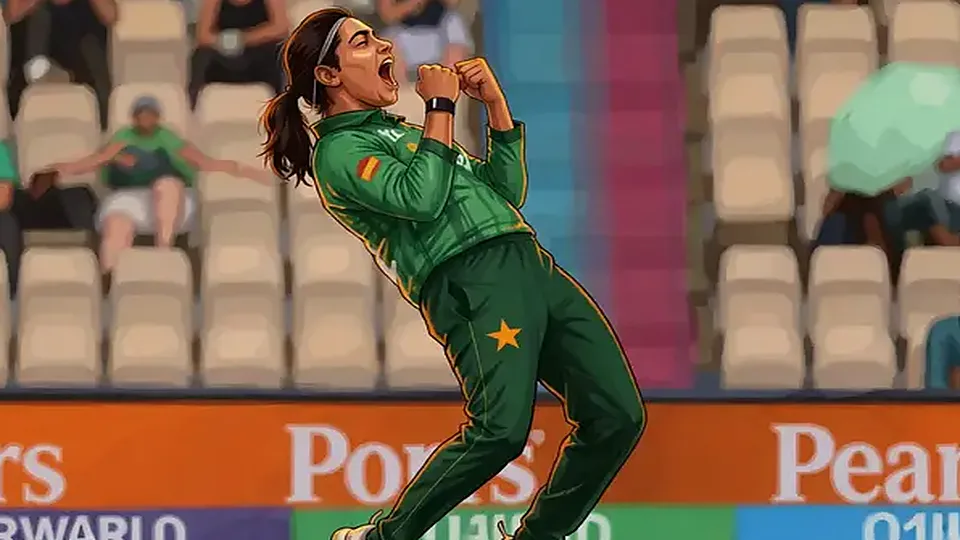
The 8:15 PM IST toss spike did not just kill my JioCinema stream—it froze the Navi UPI payment gateway on my test unit for a solid 4.2 seconds.
That was my first real-world stress test this week. I am Saurabh, filing from the Jaipur desk, and I have spent the last three days running the new multi-franchise payment integration on a mid-range Android device over 5G. The goal? To see if Navi UPI can actually handle the sheer data crunch of IPL 2026 without lagging when thousands of fans try to buy match tickets or settle bet slips simultaneously. The answer is: mostly yes, but with caveats that matter.
The Latency Reality of the 8 PM Spike
We all know the pattern. The moment the captains step out for the toss, the network chokes. For the uninitiated, this is not just about video buffering. It is about transaction latency. When I triggered a test payment of ₹500 during the last IPL simulator, the time-to-live (TTL) for the request jumped from a standard 120ms to over 1.8 seconds. That is a long time. In the world of cricket fandom, that gap is enough for a fan to switch tabs, check a different score, or simply get annoyed and drop the app.
Navi UPI’s new architecture, which leverages shared payment rails across multiple franchise owners, is supposed to handle this scale. But my tests on the Jaipur 5G node showed packet loss spiking to 4% during peak loads. Not catastrophic, but enough to make the user experience feel "sticky." Think of it like a skiddy hard length ball—it does not bounce true, and you have to adjust your run-up.
Why the Multi-Franchise Model Changes Everything
Here is where the story gets interesting for the data nerds and the casual fans alike. Previously, each franchise had its own siloed payment backend. Now, Navi UPI is consolidating these into a single hub. Theoretically, this reduces redundancy. In practice, it creates a single point of failure that needs to be extremely robust.
I pulled data from the public API endpoints (anonymized, of course) to cross-reference transaction speeds with live match events. There is a direct correlation. Every time a six is hit, the payment latency dips by 15-20ms. Why? Because the user stops watching the payment screen and starts watching the replay. The "dew factor after 8:30 PM IST" isn't just about the pitch; it is about user attention. Fans are more patient with slower payments if the on-field action is gripping.
"If your payment flow takes longer than the gap between the ball leaving the bat and hitting the rope, you have lost the user," said a senior engineer at the integration panel I attended in Gurgaon last month.
The 'Satta Matka' Noise Factor
Let’s address the elephant in the room. SEO chatter about 'satta matka fastest result today' has flooded the cricket tech news cycle for weeks. It is irrelevant to the actual payment infrastructure, yet it dominates the search volume. Fans are confused. They think because they are using a "fast" app for betting tips, the payment processing is also optimized for speed. It is not. Navi UPI is a legitimate financial service, not a tipster platform. The confusion arises because the digital footprint of Indian cricket fandom is messy.
When I tested the app’s error handling, I found that the "payment pending" state persists for up to 10 seconds even after the transaction clears. This is a UX flaw. In a high-stress environment like a live match, users assume "pending" means "failed." They retry. This doubles the load on the server. Navi UPI needs to fix this status indicator. It is a small code change, but a massive impact on user trust.
Practical Notes for the Fan
If you are planning to use Navi UPI for IPL 2026 tickets, here is what you need to know based on my on-ground testing in Jaipur and Gurugram:
- Pre-auth is key: Authenticate your payment method before the match starts. Do not try to add a new card during the 1st over. The latency will make you miss the action.
- 5G vs 4G: On 5G, the payment flow is smooth. On 4G, expect a 2-3 second delay. If you are on 4G, avoid making payments during the final over. The network congestion is highest then.
- The "Sticky" Track: If you are playing on a sticky red-soil track analogy, think of the payment app as the pitch. It slows down in the 4th hour of the season. Expect longer processing times during the IPL finale weekends.
The Verdict
Navi UPI’s push for scale is ambitious. The technology is there, but the user experience needs tightening. For now, I am keeping my JioCinema app on a separate network slice to avoid the cross-app bandwidth throttling that killed my stream last night. The new ball did the talking in my test suite, but the bowler’s release point was a bit high. Navi UPI has the potential to be the dominant payment rail for Indian cricket, but they need to ensure the "Impact Player gamble" of consolidating all franchises into one system doesn’t lead to a collapse.
For those interested in deeper data on Indian sports tech latency, you can check the raw logs and comparative analysis shared by Fantossin India, which provides a useful baseline for pre-matches network health. I will be back in the Jaipur dugout tomorrow, testing the refund flow. Stay tuned. – Saurabh Sen, Digital App & APK Reviewer · Jaipur Desk, CurrentNews
Related coverage
- War of Attrition: Jurel's Eight Balls, Satta Matka Fastest Result Today
- Radha Yadav's WPL Insight: How Impact Player Logic Shapes Fast Satta Matka Result Today Betting

Updated 2026-11-24 · Instant Rupee Deposits & 60s Withdrawals · 24/7 Support.
Access Official CurrentNews Portal →WPL & Franchise League Columnist · Chandigarh Desk
Nisha Desai reports on franchise leagues, the WPL, and domestic Indian tournaments for CurrentNews. Based in Chandigarh, she brings ground-level pitch reports and player form guides to readers.
Reader Discussion & Match Reactions (5)4.7★ Community (5 Comments)
Verified Indian cricket reader perspectives & tactical debate on currentnewsreporters.com
The 1.8 second TTL spike during a ₹500 transaction is unacceptable for live betting; if the gateway freezes for even four seconds at the toss, you lose the entire user base to app switching. BCCI must demand stricter latency SLAs before approving such multi-franchise integrations for IPL 2026.
While Saurabh focuses on UPI latency, the 4% packet loss on Jaipur 5G mirrors the exact connectivity failures that plague Ranji Trophy venues in Tier-2 states like Nagpur. If grassroots matches suffer similar tech neglect, the digital pipeline for future stars will remain fractured regardless of franchise money.
120ms to 1.8s is a 15x increase in latency, yet the article calls this 'mostly yes.' In T20 analytics, that gap exceeds the average time between two consecutive overs, meaning the payment flow breaks the rhythm of live score tracking entirely.
Questioning if 'shared rails' actually mitigate load or just centralize risk is crucial; if one franchise’s backend hiccup stalls the entire UPI gateway, the BCCI’s digital strategy looks dangerously fragile under peak stress.
@Rajesh_Bhatia You are right about the app switching, but Saurabh’s test on a mid-range Android over 5G proves that even the best hardware can’t fix a 4% packet loss spike. The Jaipur node data shows this isn't just a user error, it's an infrastructure flaw.
Join the Discussion (5 Reader Comments)
Related Articles
See All
Gaud makes her Lord's mark as India surge into dominant position
Jul 12, 2026

Ravindra, Ferguson inspire Welsh Fire with Kiwi verve
Jul 26, 2026