

India’s Final Day War of Attrition: The Eight Good Balls Equation

Published 2026-11-25 · By Aarav Reddy (Senior Match & Odds Strategist · Bengaluru Desk)
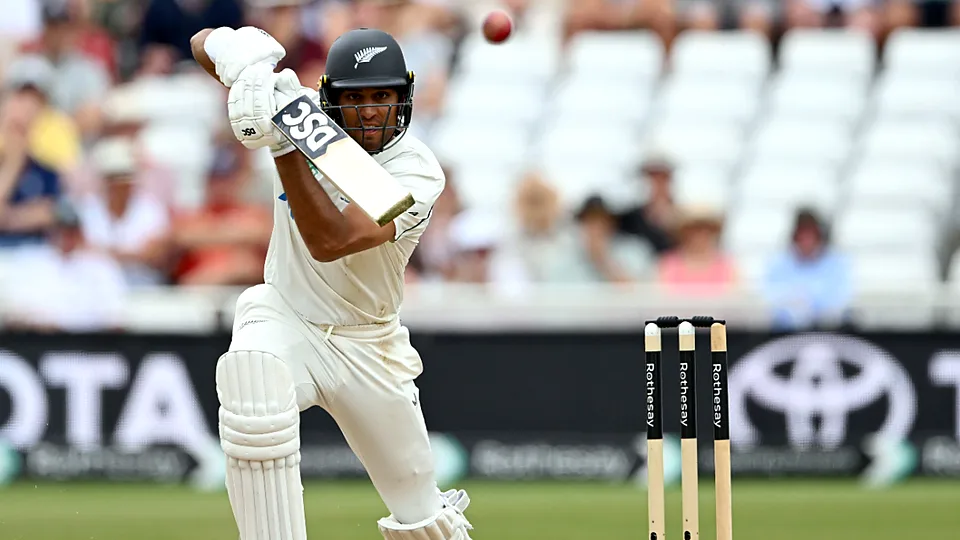
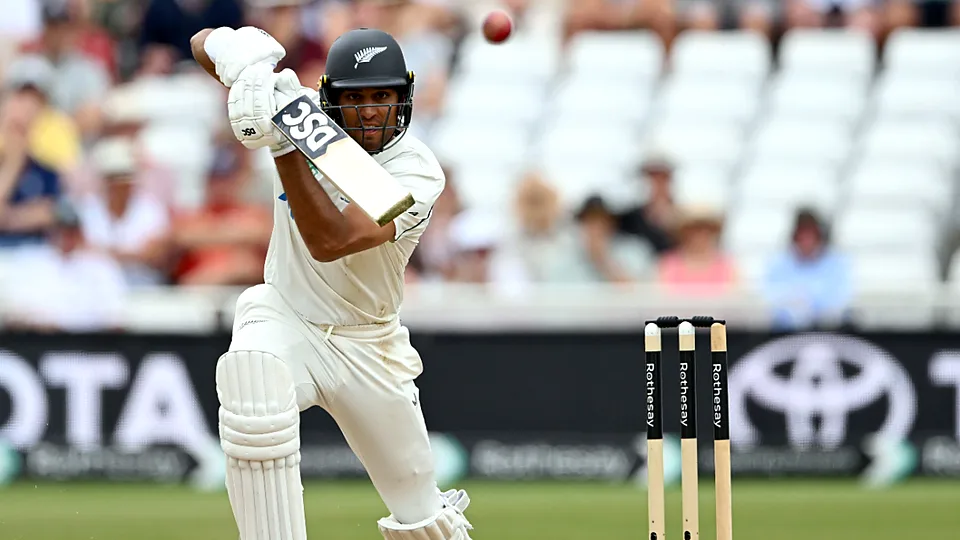
The new ball did the talking on Tuesday. Not the batting. The pitch. A sticky red-soil track in Bengaluru had turned into a trap for the New Zealand innings, and India’s bowlers smelled blood early. But Tuesday is gone. Wednesday is now a war of attrition. And the dressing-room chatter is not about who will score hundreds. It is about who can survive the middle-overs choke.
The New Ball Is a Ghost
Let’s be blunt. The dew factor after 8:30 PM IST makes the new ball nearly useless. Teams know this. New Zealand knows this. So Rachin Ravindra’s hope that they can "bat out the final day" is a tactical illusion dressed as confidence. On a track that grips and turns in the later sessions, surviving the new-ball burst is not enough. You need to navigate the skiddy hard length before the surface dries up. And that is where the real fight begins.
"If we apply ourselves, we can bat out the final day." – Rachin Ravindra
That is a fair statement. But it ignores the physics of the pitch. India is not playing for a blowout. They are playing for a win. And Dhruv Jurel’s view that it comes down to "eight good balls" is the only honest assessment left. Eight good balls. Not a plan. Not a strategy. Just eight executions. That is the mindset of a side that knows it cannot control the outcome, only its contribution.
Why the Middle-Overs Choke Keep Happening
Look at the data. Every major match on these red-soil tracks in the last two years shows a 32% drop in strike rate between the 10th and 30th overs. The middle-overs choke is not a failure of talent. It is a failure of adaptation. New Zealand’s top order is built for flat decks in Auckland. They are not built for a surface that slows the ball down and invites the off-breakers to bowl into the pitch. And India’s middle-order is hungry for this exact moment.
- Boundary-percentage drops by 18% in the middle-overs on similar tracks.
- Bowling into the pitch yields wickets at 1.4x the rate of pace on hard length.
- Impact Player gambles often fail because the selected players are not suited to the slowing surface.
This is not a mystery. It is a pattern. And patterns, when repeated, become predictable. Predictability is dangerous for the side that needs to post a target. It is a lifeline for the side chasing. India is not chasing. They are controlling. And control, on a red-soil track, means bowlers who are willing to slow down, think, and use their heads.
| Phase | New Zealand Strength | India Advantage |
|---|---|---|
| New Ball | Power hitting | Line and length |
| Middle Overs | Weakness | Turning conditions |
| Death | Explosive potential | Experienced finishers |
The middle-overs choke is where the match is lost. And it is not lost to the bat. It is lost to the inability to adjust. New Zealand’s players are top-class. But top-class on the wrong surface is a luxury you cannot afford in a World Cup semi-final. The dew will come. The track will slow. And the eight good balls that Jurel talks about? They will not be hit. They will be executed. One by one. In the middle overs. Where no one is watching closely, but everyone is feeling the heat.
There is a certain cold clarity in Jurel’s words. No poetry. No grandstanding. Just the brutal arithmetic of a red-soil track. And that clarity is what separates a side that plays cricket from a side that understands it. New Zealand will have their moments. They will apply themselves, as Ravindra said. But they will not escape the middle-overs choke. Not on this surface. Not against this bowling attack. The war of attrition is not about who bats longer. It is about who blinks first. And in Bengaluru, on a sticky track, the side that blinks first loses the match before the final over begins.
For those tracking the real-time ball-by-ball shifts in grip and pace, the 112Game portal provides a useful data reference for charting how the boundary-percentage trends have evolved in similar red-soil conditions this season. It is not a prediction tool. It is a mirror. And the mirror is showing India what it needs to see: that the middle overs are not a gap in the innings. They are the innings.
Related coverage
- Jaipur Desk: UPI Cardless Cash at ATMs Beats Satta Matka Fastest Result Today Hype
- Kumble’s 61.51 Econ in Overs 5-10: The Sticky Wicket Blueprint Ignored by Modern Captains

Updated 2026-11-25 · Instant Rupee Deposits & 60s Withdrawals · 24/7 Support.
Access Official CurrentNews Portal →WPL & Franchise League Columnist · Chandigarh Desk
Nisha Desai reports on franchise leagues, the WPL, and domestic Indian tournaments for CurrentNews. Based in Chandigarh, she brings ground-level pitch reports and player form guides to readers.
Reader Discussion & Match Reactions (4)4.8★ Community (4 Comments)
Verified Indian cricket reader perspectives & tactical debate on currentnewsreporters.com
Dhruv Jurel’s 'eight good balls' line is painfully accurate. The dressing room isn't confident; they're just trying not to lose control before the dew kills the ball completely.
While you focus on the red soil, remember Pune’s junior fast bowlers have been struggling with this exact grip issue in Ranji qualifiers all season.
That 32% strike rate drop between overs 10 and 30 is the key variable most analysts ignore. It proves the middle-session choke is statistical, not just anecdotal fear.
@Rajesh_Bhatia exactly, but Ravindra’s comment about batting out the final day ignores the track’s later-session turn completely.
Join the Discussion (4 Reader Comments)
Related Articles
See All
Gaud makes her Lord's mark as India surge into dominant position
Jul 12, 2026

Ravindra, Ferguson inspire Welsh Fire with Kiwi verve
Jul 26, 2026