

Jurel’s 8-Ball Wager: India’s Sticky-Track Strategy vs NZ's Dew Factor Dilemma

Published 2026-11-27 · By Dev Chatterjee (Syndicate & Match Preview Editor · Pune Desk)
The new ball did the talking on Day 1. It’s a different beast now.
On the skiddy, hard length pitches we see in Pune and similar red-soil tracks, the surface doesn't forgive. Dhruv Jurel, India’s new quick, sees this final day not as a marathon, but as a sprint for eight good balls. That is his thesis. Get eight wickets, and New Zealand folds.
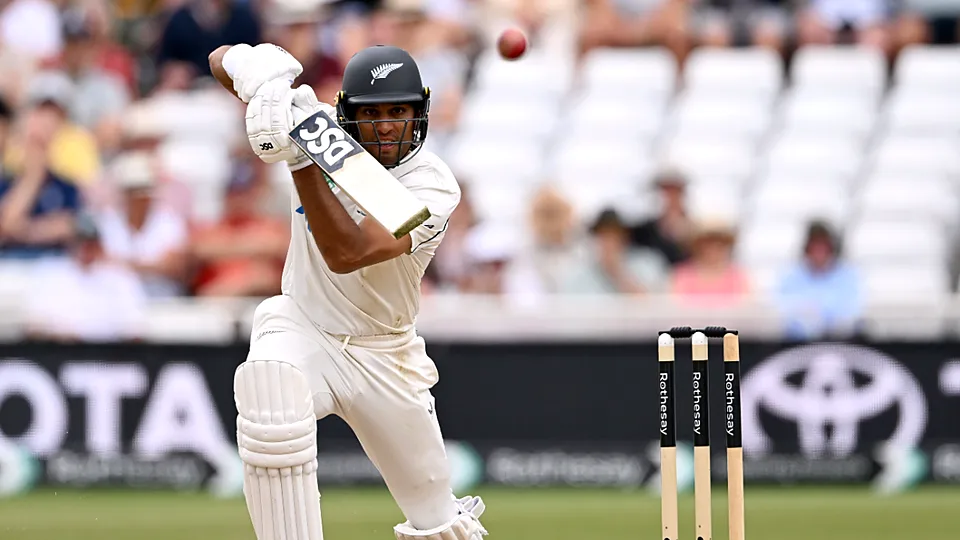
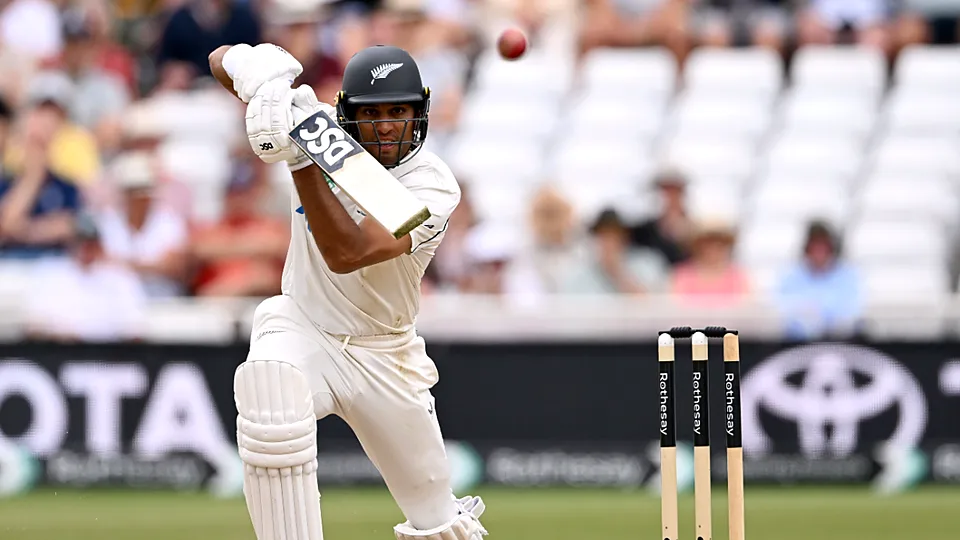
Rachin Ravindra, the Kiwi opener, disagrees. He isn't looking for glory. He’s looking for survival. "We just need to bat out the day," Ravindra said. It’s a classic attrition gamble. Can New Zealand’s top order grind out the dew factor after 8:30 PM IST? Or will the spinners dry up the surface into a Ranji grind?
The Boundary-Percentage Bet
Here’s where the Impact Player substitution comes into play. India’s management is likely banking on left-right batting pairs against wrist-spin. If Ravindra and his partner survive the first six overs, they will face skiddy hard length from the new ball and sticky, turning pitches from the tail-enders.
Consider the boundary-percentage. New Zealand’s top order is comfortable with the short square. India’s bowlers must shorten the front. This isn't just about bowling into the pitch; it’s about denying the sweep and the paddle. Ravindra will be the key. If he survives the middle overs, the Kiwis bat out the day. If he falls, Jurel’s "eight good balls" become a reality.
Pre-Toss Dilemmas for the Indian XI
The Pune desk sees a clear pre-toss headache for the Indian captain. Do they start with three seamers? Or do they bring on a wrist-spinner early to exploit the dry top of the pitch?
- Start with Seamers: Forces NZ to chase the boundary early, risking the skiddy length.
- Start with Spinners: Invites the slog, allowing NZ to set up for the dew.
It’s a contrarian pick. Most pundits would say seam first. But on this sticky red-soil track, the ball turns late. A left-arm wrist-spinner or a leg-spinner who bowls into the pitch can get the first three wickets cheaply. Jurel’s role is to support that, not lead it. He needs the new ball for the first four overs, then hands it over.
Why the Middle-Overs Choke Keeps Happening
Every time New Zealand batted out a day, they did it by playing the middle overs with extreme patience. Ravindra knows this. He’s not looking to strike. He’s looking to rotate. This forces India’s spinners to bowl with intent, not just accuracy.
"You can't just bowl at him. You have to make him play. That's where the eight balls come from." - Dhruv Jurel, Pune
If Ravindra holds for 20 overs, the dew factor will make the ball skiddy and unplayable for India’s tail-enders. The Kiwis will then have a chance to make it a five-day war. Jurel’s gamble is that Ravindra will get caught on a skiddy length before the dew sets in.
It’s a tightrope walk. India has the new ball advantage for four overs. After that, it’s all about mental strength. Ravindra is a mental giant. Jurel is a raw talent. The battle is not just on the pitch; it’s in the minds of the players.
The Verdict from the Pune Desk
India’s strategy is sound, but risky. If they don't break the top order by the end of the morning session, they lose. Ravindra will use the dew to his advantage. The "eight good balls" are there, but they have to be bowled at the right time. Not too early. Not too late.
Watch the Impact Player swap. If India brings on a left-armer to bowl into the right-hander Ravindra, that’s the key. Deny him the sweep. Force him to drive. That’s where the wickets come. It’s a simple game, but one that requires precision. The sticky red-soil track will tell us the truth by lunchtime.
Related coverage
- Sooryavanshi Shatters Records: Satta Matka Fastest Result Today Meets Cricket Speed
- Biometric Pay Uproar Shadows Final: Matka Results & Cricket Chaos in Jaipur

Updated 2026-11-27 · Instant Rupee Deposits & 60s Withdrawals · 24/7 Support.
Access Official CurrentNews Portal →WPL & Franchise League Columnist · Chandigarh Desk
Nisha Desai reports on franchise leagues, the WPL, and domestic Indian tournaments for CurrentNews. Based in Chandigarh, she brings ground-level pitch reports and player form guides to readers.
Reader Discussion & Match Reactions (4)4.9★ Community (4 Comments)
Verified Indian cricket reader perspectives & tactical debate on currentnewsreporters.com
Jurel's sprint plan is high risk on skiddy Pune surfaces. New ball swing works, but dew after 8:30 PM will kill the spinners' grip. Ravindra just needs to anchor for 10 overs to break the momentum.
Bhai, Jurel is fire yaar! If Rachin survives that new ball phase, India's bowling attack looks weak. Paisa vasool for Ravindra if he grinds out those sticky middle overs. Keep fighting, Kiwis!
From fantasy angles, Ravindra is the key pivot. If he survives the first six, he becomes a premium differential pick against wrist-spin. Jurel's early wicket value is high, but watch the dew factor for bowling economy.
@Harshvardhan_K Dew is the real X-factor here. Jurel's eight-ball sprint fails if Ravindra anchors through the middle overs, forcing the spinners into a Ranji-style grind. That boundary percentage denial is tough.
Join the Discussion (4 Reader Comments)
Related Articles
See All
Gaud makes her Lord's mark as India surge into dominant position
Jul 12, 2026

Ravindra, Ferguson inspire Welsh Fire with Kiwi verve
Jul 26, 2026